TL;DR
- Generic sales training programmes follow a one-size-fits-all model that rarely translates to real results.
- Value selling shifts the focus from pushing products to solving customer problems and communicating business impact.
- Most training gives salespeople scripts. Consultative sales training gives them thinking frameworks they can actually use on the ground.
- MaxifyGrowth does not run off-the-shelf programmes. Every engagement is built around the industry, the team, and the actual selling challenges they face.
- The difference between value selling vs generic sales training is not just method; it is outcomes. One fills a room for two days. The other changes how a team sells for good.
Introduction
Walk into most sales training programmes and you will find the same thing. A projector, a PowerPoint, a trainer running through objection-handling scripts, closing techniques, and rapport-building tips that have been recycled for the better part of two decades.
The content is not wrong. It is just not enough.
Markets have changed. B2B buyers are sharper, better informed, and far less patient with salespeople who lead with product features. What they want is someone who understands their business, speaks to their challenges, and can clearly explain why a solution is worth the investment.
That is exactly what value selling is built around. And it is exactly what most generic training fails to teach.
What Generic Sales Training Looks Like
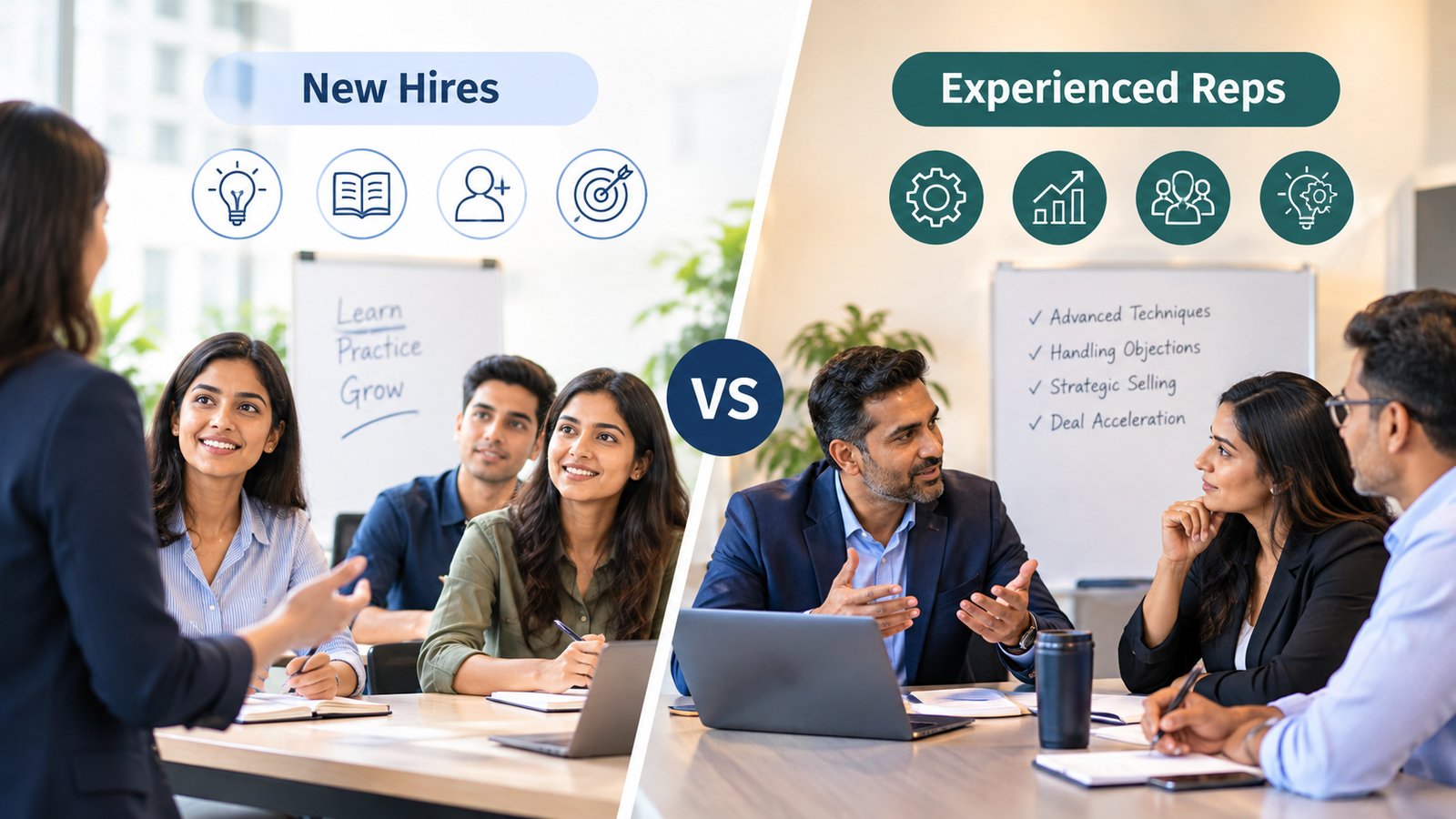
Generic training is built for volume. One programme, many teams, different industries, same slides.
The sessions cover the basics, like communication, persuasion, objection handling, closing. Participants leave with a workbook and a few new phrases to try. Within a week or two, most of it fades. The numbers do not move, and the manager starts planning the next training.
This is not a criticism of the people running these programmes. It is a structural problem. When training is designed to work for everyone, it rarely works deeply for anyone.
There is also a mindset issue. Generic training teaches salespeople ‘what to say’. It does not teach them ‘how to think’ about a customer’s situation. That thinking is what separates an average salesperson from a genuinely effective one.
What Value Selling Actually Means
Value selling is not a technique you layer on top of your existing pitch. It is a different way of approaching the entire sales conversation.
Instead of starting with the product, you start with the customer. What are they trying to achieve? What is getting in the way? What does a good outcome actually look like for their business?
From there, the conversation is about connecting your solution to those outcomes in a way the customer can clearly see and feel. Not features. Not specs. Business impact.
This requires consultative sales training that goes beyond scripts. Salespeople need to learn how to ask better questions, listen more carefully, and communicate value in terms that matter to the specific person sitting across from them.
Done right, value selling training changes the nature of the conversation. Price pressure drops, decisions happen faster and customers start seeing the salesperson as a problem-solver rather than just another vendor chasing a number.
Why Customisation is Important
A manufacturing team selling industrial lubricants faces a completely different selling environment than a SaaS company going after mid-market clients. Their customers think differently, buy differently, and respond to different kinds of conversations.
Customised sales training accounts for this. It starts with understanding the industry, the customer profile, the typical sales cycle, and the specific blockers the team is running into. Only then does the actual training begin.
This is where strategic selling comes into its own. It is not about generic best practices. It is about building a selling approach that fits the real context, and giving the team the tools to execute it consistently.
The MaxifyGrowth Approach
MaxifyGrowth’s value-based sales training is built on a simple but non-negotiable principle: no two teams sell in the same environment, so no two training programmes should look the same.
Every engagement starts with a ‘Training Needs Analysis’. The industry, the team’s current skill level, the leadership context and the specific outcomes the business is looking for. This all shapes what the training looks like and how it is delivered.
The ‘What-How-Why’ framework sits at the centre of everything. Participants do not just learn ‘what to do’. They understand ‘how to apply it’ and ‘why it works’. That depth is what drives retention and real-world execution.
Modern facilitation methods like gamification, World Cafe, Fishbowl and scenario-based roleplay keep sessions engaging and grounded in actual selling situations. Because learning that feels abstract stays abstract.
Sales performance improvement is also tracked beyond the training itself. Reinforcement sessions and structured follow-ups ensure the learning sticks and the results are measurable.
Where Most Training Falls Short and What to Look For Instead
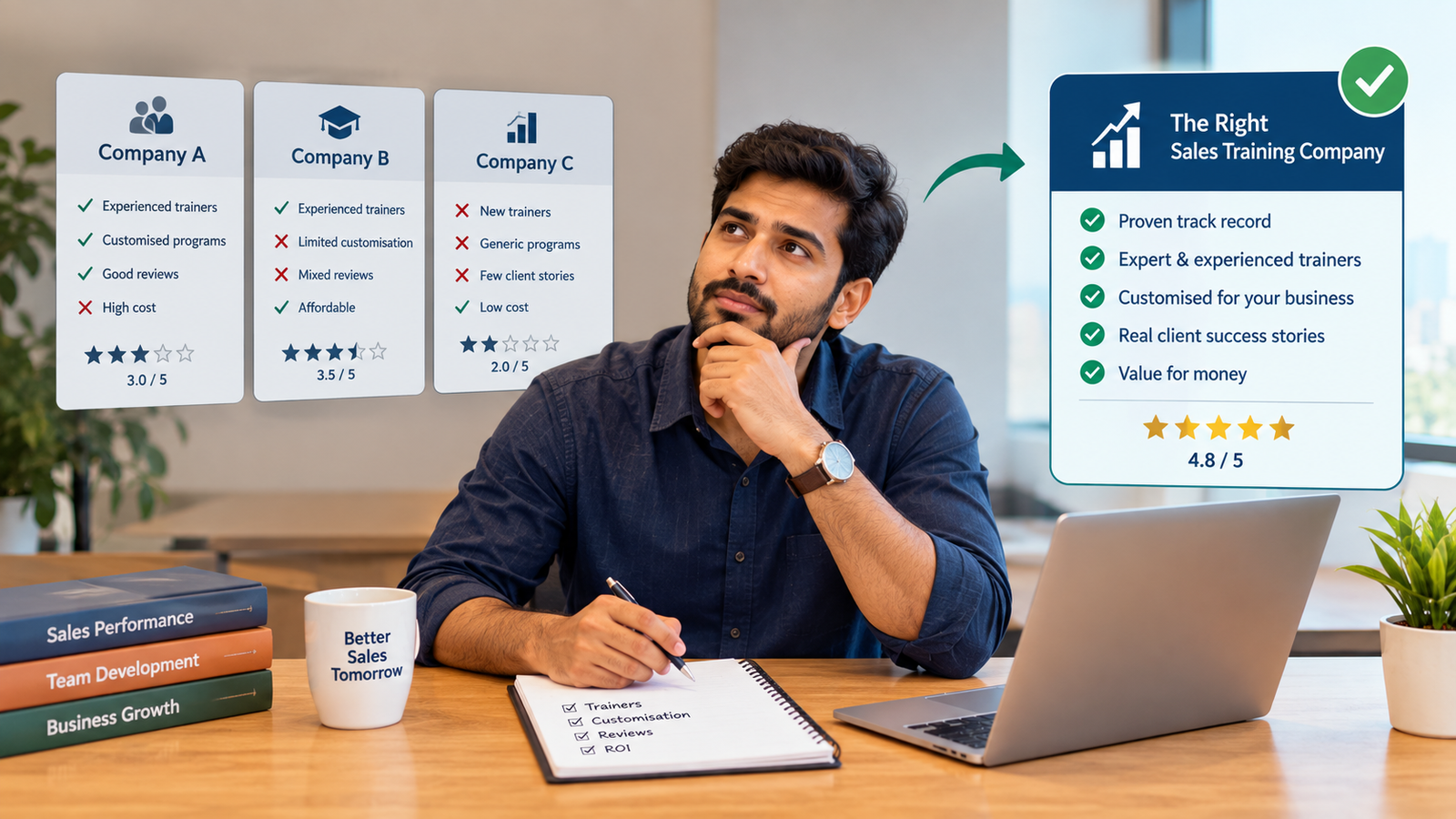
If you are evaluating sales training in India for your team, here are the questions worth asking before you commit:
- Does the programme start with understanding your team’s specific challenges, or does it arrive with a pre-set curriculum?
- Are the trainers drawing on real industry experience, or purely on training theory?
- Is there a follow-up plan, or does the engagement end when the session does?
- Will your team leave knowing ‘how to think’ about a customer situation, or just knowing a few new phrases to try?
The answers will tell you fairly quickly whether you are looking at a generic programme or something built for sales performance improvement that lasts.
Final Thoughts
Generic sales training fills calendars. Value selling changes outcomes.
The difference is not just in the content. It is in the commitment to understanding the specific selling environment your team operates in and building the training around that. Not around what worked for someone else’s team in a different industry three years ago.
At MaxifyGrowth, that is the only way we work. If your team is ready to sell on value, we would like to talk.
Visit www.maxifygrowth.com or write to connect@maxifygrowth.com to start the conversation.
FAQs
- What is the difference between value selling and generic sales training?
Generic training teaches technique while value selling builds thinking. In a real customer conversation, that gap becomes obvious. A trained salesperson knows what to say. A value seller knows what to ask, when to stop talking, and how to connect the solution to what the buyer actually cares about.
- Is value selling only useful for large enterprise teams?
Not at all. Any team selling in a competitive market, regardless of company size, benefits from being able to clearly communicate why their solution matters. In fact, smaller teams often see faster results because they can apply it immediately in live deals.
- How is customised sales training different from off-the-shelf programmes?
Customised training is built around your industry, your customers, your team’s current skill gaps, and your specific sales challenges. Off-the-shelf programmes are designed to be broadly applicable, which means they are rarely deeply relevant to any one team.
- How long does it take to see results from value selling training?
Better questions, sharper conversations and fewer fumbles on objections can drive the results within the first few weeks for most teams. The broader sales performance improvement across the full team takes a bit longer, usually two to three months. Reinforcement sessions after the training make a real difference in how quickly that happens.
- What makes MaxifyGrowth’s approach different from other sales training providers in India?
MaxifyGrowth does not run standard programmes. Every engagement begins with a Training Needs Analysis and is built specifically for the team’s industry, challenges, and goals. The What-How-Why framework ensures participants understand not just what to do but how and why it works.